Choosing your crossing: how the journey shapes the stay
The way you travel sets the tone long before you arrive on Nantucket. For a family planning hotels and beach days, the boat ride from Hyannis quietly decides your schedule, your budget, and how close you sleep to the harbor. Think of the crossing as part of the stay, not just the trip from mainland to island.
There are three main ways to reach Nantucket from Hyannis: the traditional car ferry run by the Steamship Authority, the high speed passenger boats operated by both the Steamship Authority and Seastreak, and short flights into Nantucket Memorial Airport from regional hubs. Each option changes how you handle luggage, whether a child naps on board, and how early you can check into your hotel. The right choice will depend on whether you want a slow sea crossing with a car below deck or a fast, light arrival that keeps you flexible once you step off the Nantucket ferry.
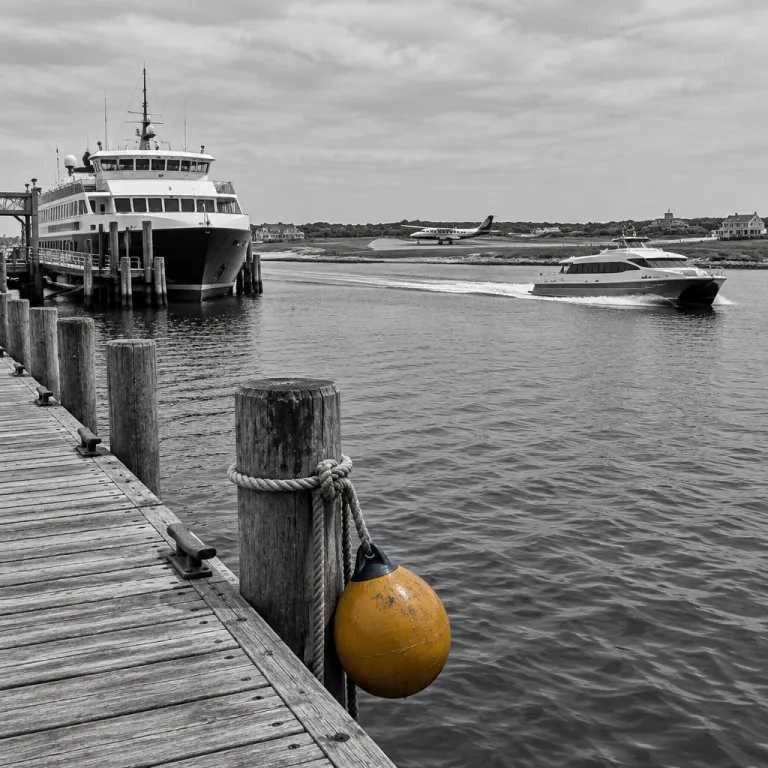
The classic ferry from Hyannis to Nantucket is the workhorse, carrying vehicles, freight, and families who like a steady pace. This slower Steamship service usually takes about 2 hours but offers open decks, café seating, and a predictable rhythm that suits younger children. The high speed ferry on the same route cuts the crossing to roughly an hour, trading open air wandering for airline style seats and a sharper sense of arrival as the gray shingled skyline appears quickly off the bow.
Flights into Nantucket Memorial Airport from Hyannis or Boston compress the journey further, with flight times often under 30 minutes, but they also compress your margin for error. Weather delays affect small aircraft more than any fast ferry or traditional boat, which matters if your hotel reservation is prepaid or your round trip is tight. For most families, the balance of reliability, cost, and comfort still tilts toward a ferry from Hyannis rather than a plane, especially in busy summer weeks.
When you compare options, think in terms of door to door time, not just the scheduled crossing. A high speed Hyannis–Nantucket sailing might look faster, but add parking, ticket office queues, and boarding with strollers, and the difference narrows. The slow Steamship Authority ferry can feel almost as efficient once you factor in easier boarding, more forgiving schedules, and the chance to let children roam a bit while you watch the wake stretch back toward Hyannis.
Car ferry or on foot: the real cost of bringing the vehicle
The car question is where most first timers overcomplicate their Nantucket–Hyannis planning. A vehicle reservation on the Steamship Authority car ferry from Hyannis to Nantucket looks reassuring, but it locks you into specific times and a higher overall cost that could instead go toward a better located hotel. On an island where you can cross town in minutes, the freedom cruise you imagine with your own car often becomes a parking hunt near beaches and downtown.
Vehicle reservations for the Steamship Authority open months ahead and peak summer weekends can sell out quickly, so you must check the Steamship Authority reservation calendar directly rather than relying on any fixed date. If you do bring a car, your round trip ticket will be significantly more expensive than foot passenger fares, and you will also pay for mainland parking in Hyannis during your stay. Families sometimes underestimate how much time they spend queuing, loading, and unloading, which eats into precious beach mornings and hotel pool afternoons.
On island, the real luxury is walking out of a harbor side inn and being on Main Street in two minutes. Leaving the car behind on the mainland and taking a high speed passenger ferry from Hyannis keeps your travel light and your hotel choices broader, especially around the Brant Point and Cliff Road areas. Many of the most family friendly places to stay sit within a short walk or bike ride from Straight Wharf, so a car quickly becomes more burden than benefit.
There are exceptions when a car makes sense, and they are specific. If you are staying in a rental house far out in Tom Nevers, Cisco, or near the more remote moor hikes highlighted in guides to Nantucket’s quiet season, a vehicle can help you reach trailheads and carry groceries. Shoulder season stays in September and October also change the equation, because the NRTA shuttle runs a reduced schedule and taxis can be thinner on the ground, so a carefully planned car ferry reservation may align with a quieter hotel and emptier bike paths.
For most summer families, though, the smarter move is a passenger only round trip on a high speed boat from Hyannis to Nantucket. You pay less, you keep your timetable flexible, and you avoid the stress of backing a car into a tight ferry lane under the eye of the deck crew. The money saved on vehicle fares and long term parking in Hyannis can be redirected into a room with a balcony, a better breakfast, or an extra night when the weather is perfect.
Hyannis logistics: parking, timing and boarding with kids
Hyannis is not just a departure point; it is the filter through which every crossing to Nantucket must pass. Families who handle this stage cleanly arrive on island calmer, earlier, and ready to check into their hotel without drama. Those who misjudge parking, ticket collection, or boarding times start their island trip already behind.
Start with parking in Hyannis, because it shapes your whole morning. The Steamship Authority lots near the terminal offer long term parking with shuttle service, while Seastreak and Freedom Cruise Line passengers often use nearby private lots or town parking depending on the specific Nantucket ferry they have chosen. Build in extra time if you are traveling with a child in a stroller or grandparents who move slowly, since the walk from parking to the ticket office and then to the gangway can feel longer than it looks on a map.
For a high speed ferry to Nantucket from Hyannis, aim to arrive at the terminal at least 45 to 60 minutes before departure. This buffer covers ticket pickup, luggage tagging, and any last minute bathroom runs before boarding the fast boat, which is less forgiving about late arrivals than the slower car ferry. If you are flying instead of taking a ferry, the same principle applies at the small Hyannis airport, where security is lighter but weather delays can compress boarding time unexpectedly.
Families should treat the ticket office as their first calm checkpoint. Confirm your reservation details, ask about any weather related changes to the current schedule, and clarify where to queue with children so you are not stuck in the wrong line when boarding begins. If you are connecting from another Cape town such as Harwich Port or even returning from a side trip to Martha’s Vineyard or Oak Bluffs, allow generous margins between services, because ferries and flights do not always align neatly.
Once you step on board, the tone shifts. On the slower Steamship Authority ferry, you can spread out, find a table, and let a free child under a certain age nap across a bench while older kids watch the wake. On the high speed Grey Lady catamaran or a Seastreak fast ferry, space is tighter but the crossing is shorter, so snacks, headphones, and a clear plan for seating will make the Hyannis–Nantucket leg feel brisk rather than cramped.
For travelers curious about what living in Nantucket year round really feels like for hotel minded visitors, it helps to remember that locals treat this crossing as a commute, not an event. Emulating that mindset — arriving early, packing light, and knowing exactly where your luggage will be stored — turns the trip from Hyannis into a smooth prelude instead of a logistical hurdle. The more routine it feels, the more energy you have left for choosing the right inn and the right beach once you step onto the cobblestones.
On island movement: shuttles, bikes and life without a car
Once you arrive on Nantucket, the island’s scale becomes your ally. Distances are short, streets are walkable, and the best located hotels sit within easy reach of the ferries, which makes a car feel unnecessary for many families. The key is to align your lodging choice with the way you plan to move.
The NRTA Wave shuttle network radiates from the downtown hub near the ferry docks, running routes to Surfside, Jetties, Sconset, and other key beaches. For a family that arrived on a high speed ferry from Hyannis without a vehicle, this shuttle system, combined with taxis and rideshares, covers most needs at a fraction of the cost of a car ferry reservation. Many hotels provide beach shuttles or loaner bikes, so you can step off the Nantucket boat, drop bags at reception, and be on a bike path within an hour.
Biking is where Nantucket shines for car free visitors. Dedicated paths lead from town toward Surfside, Cisco, and Sconset, and even a child on a smaller bike can manage the gentle grades with regular breaks. If you are staying near Cliff Road or Brant Point, you can cycle from your hotel to the harbor, to Children’s Beach, and back again in minutes, turning every day round of errands into a pleasant ride rather than a parking search.
Taxi and car services fill the gaps, especially at night or in shoulder seasons such as September and October when the NRTA reduces its schedule. For families staying farther out, a mix of occasional taxis and bikes still often beats the cost and hassle of bringing a car on the Steamship Authority ferry from Hyannis to Nantucket. The more you lean into the island’s compact layout, the more your hotel choice can prioritize charm, proximity to restaurants, and quiet streets over driveway space.
Dining and evening plans also favor those who arrive on Nantucket on foot. Staying near the harbor lets you walk to Straight Wharf, the Brant Point Lighthouse, and restaurants like Galley Beach without worrying about driving back after sunset. The most memorable part of the day is often not the harbor view from your room, but the walk home at dusk past hydrangea hedges and shingled facades, when the last high speed Hyannis sailing pulls away in the background.
For families interested in how local food culture shapes hotel experiences, especially around bay scallop season, it is worth reading about how Nantucket bay scallops influence the most memorable hotel stays on the island. Understanding that rhythm of fishing, dining, and hospitality reinforces why staying central and car free lets you slip more easily into the island’s daily life. When your world shrinks to a few walkable blocks and a bike path to the beach, the decision to skip the car ferry feels less like sacrifice and more like strategy.
Seasonal patterns: when the crossing and the hotel really work together
Seasonality on Nantucket is not just about weather; it is about how ferries, flights, and hotels breathe in and out together. The ferry to Nantucket from Hyannis runs year round, but the feel of a crossing in high summer is nothing like a quiet September or October sailing. Aligning your travel dates with these rhythms can mean the difference between a crowded lobby and a calm check in.
In peak summer, the Steamship Authority and Seastreak operate a dense schedule of both traditional and high speed services between Hyannis and Nantucket. Round trip tickets sell briskly, and reservations for popular midday crossings can vanish quickly, especially on Fridays and Sundays when hotel stays typically turn over. Families should secure both their hotel reservation and their preferred ferry times early, treating the two as a single itinerary rather than separate decisions.
Shoulder seasons tell a different story. In late spring and during the quieter September–October window, you may find more flexibility in both ferry reservations and hotel rates, though some services such as Freedom Cruise Line from Harwich Port or certain flights may reduce frequency. This is when a slower Steamship Authority ferry from Hyannis to Nantucket can feel almost private, with more space on deck and a calmer ticket office, while on island you enjoy shorter waits at restaurants and more attentive hotel service.
Winter and deep off season periods bring the island closer to its year round self. The Steamship Authority remains the lifeline, carrying residents, workers, and the occasional traveler who values solitude over beach crowds, while high speed services may pause or run limited schedules. Hotels that stay open cater to a different kind of guest, one who reads about quiet season foliage drives and empty bike paths and then chooses a ferry from Hyannis that lands them in a town lit by porch lamps rather than beach umbrellas.
Whatever the season, always verify current timetables, fares, and policies directly with the Steamship Authority, Seastreak, and any airline before finalizing your plans. Operators can adjust a fast ferry, a Grey Lady high speed catamaran, or a small plane schedule based on demand and weather, and no article can freeze those details in place. Treat every crossing as a live piece of logistics, then build your hotel stay around the most reliable, least stressful option.
Families who approach the journey this way end up with a stay that feels coherent from the first parking decision in Hyannis to the last walk back from the harbor. The ferry to Nantucket from Hyannis is not just transport; it is the spine of your trip, connecting the mainland rush to the island’s slower, saltier tempo. Get that spine straight, and everything from room choice to dinner reservations tends to fall gracefully into place.
FAQ
Is the high speed ferry from Hyannis to Nantucket worth the extra cost for families?
For most families, the high speed ferry to Nantucket from Hyannis is worth the premium because it cuts the crossing time significantly and reduces the window for seasick children or restless toddlers. The trade off is less outdoor space and a more airline like cabin, so if your child prefers to roam, the slower Steamship Authority ferry may suit better. Consider your kids’ patience, your budget, and your hotel check in time when choosing between speed and space.
How early should I arrive in Hyannis before my ferry departure?
Plan to reach the Hyannis terminal 45 to 60 minutes before a high speed Nantucket ferry and at least 30 to 45 minutes before a slower car ferry. This allows time for parking, shuttle transfers, ticket office lines, and boarding with luggage and children. In peak summer or on holiday weekends, adding an extra 15 minutes is wise.
Do I need a car on Nantucket if I am staying near town?
If your hotel is in or near downtown Nantucket, you almost never need a car. The NRTA Wave shuttle, taxis, bikes, and your own feet will cover beaches, restaurants, and most activities more easily than driving and searching for parking. Leaving the car in Hyannis and booking a passenger only round trip on a ferry to Nantucket from Hyannis usually makes both financial and practical sense.
When do vehicle reservations for the Steamship Authority car ferry usually sell out?
Vehicle spaces on the Steamship Authority car ferry from Hyannis to Nantucket can sell out quickly for peak summer weekends and holiday periods once reservations open. Because exact opening dates and demand patterns change, you should always consult the Steamship Authority’s official reservation calendar rather than relying on past years. If you must bring a car, treat securing that reservation as your first planning step, even before choosing a hotel.
Is flying to Nantucket faster than taking the ferry from Hyannis?
Flight time itself is shorter than any ferry to Nantucket from Hyannis, but when you add airport transfers, security, and potential weather delays, the total door to door time can be similar. Ferries are generally more forgiving with luggage and schedules, especially for families with strollers and beach gear. Many travelers choose the high speed ferry as a middle ground between speed, reliability, and comfort.