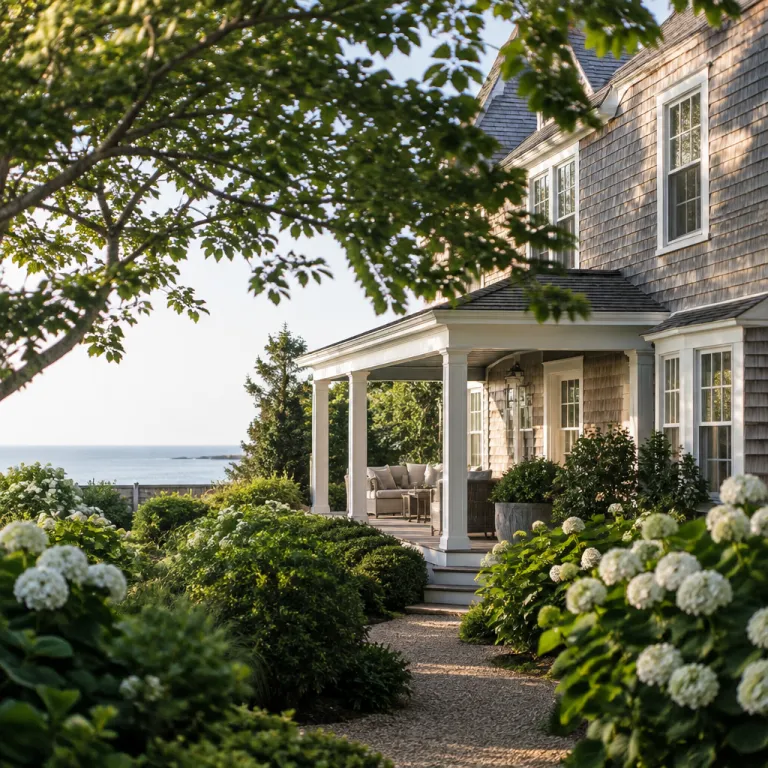
Nantucket style homes as a lens for choosing your hotel
When you book a stay on Nantucket Island, the architecture around you shapes every moment. Nantucket style homes, with their weathered cedar shingles and quiet symmetry, offer a precise guide for understanding which hotels truly reflect the island’s character. If you want your accommodation to feel authentic, look for a style house that borrows from these historic forms rather than fighting them.
The classic Nantucket style grew from Quaker restraint, maritime pragmatism, and the realities of harsh coastal living. Publications from the Nantucket Historical Association note that early builders favoured simple, well-proportioned façades over showy ornament, and you still see that story in the clean lines and modest fronts of many guest house conversions. When you compare hotels, notice whether their interiors echo this interior design heritage or simply paste coastal décor over a generic plan.
Across the island in the United States, local preservation rules keep most shingles natural and unpainted, so nearly every house and many hotels age into the same soft grey. That uniform shingle exterior is not a trend; it is a response to salt air, strong winds, and long-standing Historic District Commission guidelines designed to preserve the character island wide. When a property respects these house plans and uses natural materials inside, you feel immediately anchored in Nantucket real life rather than in a themed resort.
From cedar shingles to guest rooms: what to look for in a stay
Walk along Main Street and you will see captain’s houses with Greek Revival entries and cedar shingles turned silver by decades of salt air. The Jared Coffin House at 29 Broad Street, one of the best-known historic inns documented by the Nantucket Historical Association, shows how a former merchant’s residence can become lodging while keeping its original massing and shingle detailing. The most successful hotels translate that language of shingles and trim into façades that sit comfortably among historic Nantucket homes, so the building feels like part of the streetscape rather than a separate resort.
Inside, pay attention to how the interior design handles proportion, light, and circulation between living areas. Many of the most atmospheric guest house conversions keep the original house plans, which means low ceilings, narrow staircases, and interiors that tell a layered story rather than offering anonymous open plan spaces. This kind of character can be a luxury if you appreciate historic interiors, though it may feel less convenient than a newly built style homes complex.
For evening ambience, some hotels on the island now pair historic shingle exteriors with contemporary social spaces. A notable example is the Green Room cocktail lounge at Greydon House on Broad Street, where a carefully curated bar sits within a building that respects Nantucket style massing and materials; you can read more about this approach to heritage inspired hotel design. When you evaluate options, ask whether shared living spaces feel like extensions of a traditional house or like generic lobbies dropped onto the island, and check floor plans or photos to see how public rooms connect to guest areas.
Coastal interiors inspired by Nantucket’s grey palette
Inside many Nantucket style homes, the palette mirrors the weathered exterior shingles and the muted tones of the harbor. Hotels that understand this design story tend to favor soft greys, off whites, and blues that echo the sea rather than bright coastal clichés. This restrained style creates interiors where natural light becomes the main decorative element, especially in rooms with generous windows facing the water.
When you tour potential places to stay, look for interior design that uses natural materials such as linen, wool, oak, and rattan. These textures reference the island’s maritime past and connect your guest house room to the wider landscape of Nantucket homes and Cape Cod cottages. Clean lines in furniture and built in storage keep the focus on views and architectural character instead of on heavy ornament.
Some of the most compelling hotel interiors borrow directly from the aesthetic of historic shingle houses. They might feature painted wood panelling, divided light windows, and subtle references to widow’s walks without turning the space into a stage set. For a deeper dive into this palette, resources on Nantucket grey elegance in coastal hotel interiors show how designers translate the island’s cedar shingles and salt air into calm, contemporary rooms that still feel rooted in local tradition.
Planning your stay: how architecture shapes your Nantucket experience
Choosing where to sleep on Nantucket is not only a practical plan; it is a decision about how closely you want to live inside the island’s architectural story. A hotel housed in a former shingle style house in the Old Historic District will immerse you in narrow streets, church spires, and the daily rhythm of locals. A newer property on the edge of town may offer larger rooms and parking but less direct contact with the historic character island visitors often seek.
Think about your own living preferences before you compare plans and room types. If you value quiet mornings and natural light, a top floor room under a gable roof with dormer windows can feel like staying in a classic Nantucket style attic bedroom. Travellers who prefer generous living areas might lean toward hotels that reinterpret traditional house plans into suites, adding sitting rooms while still using natural materials and clean lines.
For guests who care about design details, it helps to study a simple guide to Nantucket style homes before booking. Understanding why cedar shingles weather to grey, why façades remain symmetrical, and why ornament is restrained will sharpen your eye when you scroll through photos. You will quickly see which properties respect the island’s real estate heritage and which ones only borrow the word “coastal” for marketing, and you can prioritise listings that mention preservation awards or Historic District Commission approvals.
Coastal living comforts: interiors that feel like a Nantucket home
Once you step inside your room, the best hotels make you feel as if you have been invited into a private Nantucket style house rather than a standard unit. That feeling often comes from thoughtful interior design choices such as built in window seats, beadboard walls, and carefully framed views of the harbor or gardens. When these elements are combined with soft textiles and natural light, the result is a space that supports slow coastal living rather than rushed sightseeing.
Look for properties that use a restrained coastal design language instead of heavy themed décor. A few well chosen nautical references, like a chart of the island or a vintage photograph of Cape Cod waters, can tell a richer story than a room crowded with anchors and shells. Hotels that understand Nantucket style homes usually let the architecture and materials speak first, then layer in art and objects that reflect the island’s maritime and Quaker past.
For travellers who love to align their wardrobe with their surroundings, even clothing can echo the architecture. A soft grey knit or a classic striped pullover feels perfectly at home against cedar shingles and white trim, and some style guides highlight how a Nantucket pullover style for nautical hotel stays complements this environment. When your personal style, your room’s interiors, and the island’s houses all harmonise, the experience becomes quietly memorable.
Nantucket real estate character and what it means for hotel guests
The Nantucket real estate landscape is shaped by strict preservation rules that keep most buildings low, compact, and clad in cedar shingles. This has a direct impact on the estate market and on the kinds of hotels that can operate within the island’s historic districts. You will find many small scale properties woven into existing streets rather than large towers, which keeps the skyline gentle and the character island wide remarkably consistent.
Because house plans must respect traditional massing and materials, even new style homes often resemble their historic neighbours. For hotel guests, that means more opportunities to stay in places that feel like Nantucket homes, whether you choose a converted guest house or a purpose built inn that follows classic Nantucket style guidelines. The emphasis on natural materials and clean lines also tends to produce quieter, more restful interiors than you might expect in a typical coastal resort elsewhere in the United States.
When you research where to stay, pay attention to how each property describes its relationship to the surrounding homes and streets. A thoughtful hotel will often share the story of its original house, its shingle restoration, or its role in the local real estate history, sometimes citing Town of Nantucket Historic District Commission approvals or Nantucket Historical Association references. By aligning your booking with properties that honour these plans and interiors, you support the ongoing preservation of Nantucket style homes for future travellers.
Key figures about Nantucket style homes and hotel design
- Historic surveys cited by the Nantucket Historical Association and the Massachusetts Historical Commission describe cedar shingles as the dominant exterior cladding on traditional Nantucket houses, which means most hotels in historic districts also adopt shingles to blend visually with neighbouring homes.
- Many older Nantucket houses are one and a half to two stories tall, so numerous guest house conversions offer intimate upper floor rooms tucked under gable or gambrel roofs rather than high rise views, a pattern reflected in local housing documentation.
- Greek Revival elements became common on Nantucket between approximately 1830 and 1850, and several former sea captain’s houses from this period now operate as character rich hotels along Main Street and nearby side streets.
- Preservation policies administered by the Town of Nantucket Historic District Commission require new construction in key districts to follow strict guidelines on materials, colour, and scale, which encourages hotels to maintain clean lines and natural palettes consistent with surrounding Nantucket style homes.
FAQ: Nantucket style homes and your hotel choice
Why do Nantucket homes and many hotels have grey shingles ?
Local builders traditionally use cedar shingles because they withstand harsh coastal weather and require little maintenance. Over time, exposure to salt air naturally turns these shingles grey, which is why both houses and hotels often share the same soft, silvery tone. This weathering effect helps new properties blend quickly into the historic streetscape.
What is a widow’s walk and will my hotel have one ?
A widow’s walk is a small railed platform on the roof of a house, originally used to vent chimneys and to observe the sea. Some historic Nantucket style homes still feature these structures, and a few guest houses preserve them as architectural accents. Safety and building codes mean you rarely access them as a guest, but they remain an evocative part of the skyline.
How does historic preservation affect hotel room layouts ?
Because many hotels occupy existing Nantucket homes, they must work within original house plans that include smaller rooms, low ceilings, and narrow staircases. This can create charming interiors with strong character but sometimes limits the size of bathrooms or closets. Newer properties outside the tightest historic zones may offer larger suites while still echoing Nantucket style exteriors.
Where can I see the best examples of Nantucket style houses near hotels ?
Main Street in town offers a concentrated mix of Greek Revival captain’s houses, many of which now host inns or guest accommodations. The village of Siasconset, often called ’Sconset, showcases rose covered cottages and compact shingle homes that influence nearby lodging design. Walking tours from local historical organisations are an efficient way to understand how these homes shape today’s hospitality scene.
Are Nantucket style interiors always traditional, or can they feel modern ?
Many designers now blend traditional Nantucket style elements such as shingle exteriors and divided light windows with modern interiors that feature clean lines and minimal ornament. You will find hotels that hide energy efficient systems behind historic façades while keeping rooms bright, simple, and functional. The most successful examples respect the island’s character while offering contemporary comfort for today’s travellers.
References
- Nantucket Historical Association
- Town of Nantucket Historic District Commission
- Massachusetts Historical Commission